

 Fishician®
Power outages: what to protect, in what order
During a power outage, prioritize oxygen and watch temperature closely while protecting filter bacteria. How quickly each becomes a problem depends on the tank and room conditions.
About this guide
On this page
The short answer
- Prioritize oxygen and temperature. Get the surface moving with a battery air pump, or scoop water and pour it back in.
- Slow the temperature change. If the tank is cooling, insulate without blocking gas exchange. If it is overheating, avoid trapping heat. Monitor temperature.
- Stop feeding, lights off. Less waste, less heat, less stress.
- Long outage? Move media from a stopped canister or sump into the tank.
- Restart in stages. Inspect stopped equipment first, then test ammonia and nitrite over the next days.

What to check when power fails
- UrgentOxygenThe surface stops moving while fish keep breathing. Faster in warm, crowded or heavily planted tanks.
- CheckTemperatureDrifts toward room temperature. How fast it changes matters most.
- CheckFilter bacteriaMedia in a stopped canister or sump runs out of oxygen and starts to die.
- AlsoPumped equipmentSkimmers, dosers, chillers and top-off stop. A stopped chiller in a warm room matters.
Right now
- Air: a battery air pump is the cheapest fix. No pump? Pour water back so it breaks the surface, every so often. Steady beats exhausting.
- Temperature: insulate a cooling tank; ventilate an overheating one while preventing escape. Check with a thermometer.
- Food: reduce or briefly pause feeding for healthy adults to limit waste. Fry and specialist feeders need an individual plan.
- Lights: off. They add heat and drive plant and coral oxygen swings you cannot support.
If it drags on
- Move filter media into the tank, where the water still reaches the moving surface.
- Maintain aeration and monitor temperature. Use insulation only while needed to limit cooling.
Restarting safely
- Inspect stopped canisters and sumps. If the water in them has gone foul, discard it and rinse the media in tank water. Don't pump it into the tank.
- Check heaters are at the manufacturer’s required water level before switching on; not every model is fully submersible.
- Restore circulation and air first, then heat, then everything else.
- Test ammonia and nitrite over the following days. These checks help detect reduced biofilter capacity; adjust feeding to the animals and readings.
Prepare before it happens
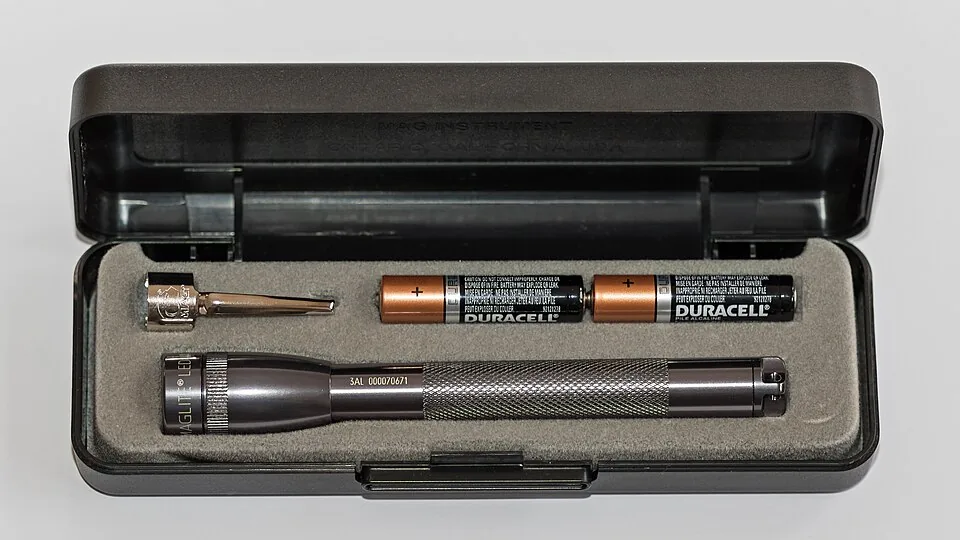
- A battery air pump with fresh batteries, a jug for moving water, a thermometer that needs no power, and blankets.
- Consider a UPS sized for circulation and air. Fuel-powered portable generators belong outdoors, at least 20 feet from buildings, with exhaust directed away from openings.
- Review shared failure points: independently controlled heating, backup circulation, and safely installed electrical circuits can reduce some risks but still need testing and a response plan.
- Inspect equipment as part of your routine. Some failures occur without warning; test the backup plan.
Sources
Each source is listed with the part of this guide it supports.
- US Consumer Product Safety Commission: Carbon MonoxideOperate portable fuel generators outside, at least 20 feet from homes, with exhaust facing away; never use them indoors or in garages.
- University of Florida IFAS: Dissolved Oxygen for Fish ProductionOxygen consumption, low-oxygen signs, and the role of aeration. Outage risk depends on the system and conditions.
- Merck Veterinary Manual: Management of Aquarium FishBiofilter dependence on flow and oxygen, and the water-quality consequences of an interrupted system.
- Merck Veterinary Manual: Essential MaintenanceRecurring equipment checks and the observation tasks that detect a failure before it becomes an emergency.