

 Fishician®
Dosing from a label: scale the ratio, never the guess
Wrong volume, units or product concentration can cause dosing errors. Read the full label before calculating an amount.
About this guide
On this page
The short answer
- A label gives a ratio. An amount per a stated volume. It becomes a dose only when you multiply by your real volume.
- Use the bottle in your hand. Products get reformulated and concentrated versions differ. Never dose from memory.
- Dose to the real volume, not the tank's label size. Check whether the label calls for replacement-water volume or total system water volume.
- Keep the label's units all the way through. Every conversion is a chance for a big mistake.
- Right maths isn't a right treatment. It says nothing about diagnosis, species safety or interactions.

From label to dose
- ReadLabel ratioAmount per stated volume
- TimesMeasureReal volumeDisplay or whole system?
- EqualsCalculateYour doseIn the label's own unit
- ThenMeasure outSyringe or graduatedNot a cap or kitchen spoon
- FinallyRecordLog itProduct, amount, volume, time, reason
Where errors hide
- Using the tank's label size instead of its real water volume.
- Millilitres vs teaspoons, US vs imperial gallons, drops vs millilitres.
- Assuming a concentrated version doses like the standard one.
- With a sump, not deciding whether the dose covers the display or the whole system.
What the maths can't tell you
- Whether the product fits the problem, your species or your invertebrates.
- Interactions, effect on the biofilter, maximum dose or repeat frequency.
- Many treatments harm invertebrates; some shouldn't be combined. Read the whole label, warnings included.
- Check water quality first. Environmental problems can cause or contribute to illness. See warning signs.
Dose deliberately
- Add it where circulation is good, not into a filter intake or onto animals.
- Some products are removed by activated carbon. Follow the label on whether and when to remove or replace it.
- Record every dose. A course depends on the first one being right. See keeping records.
Measure accurately
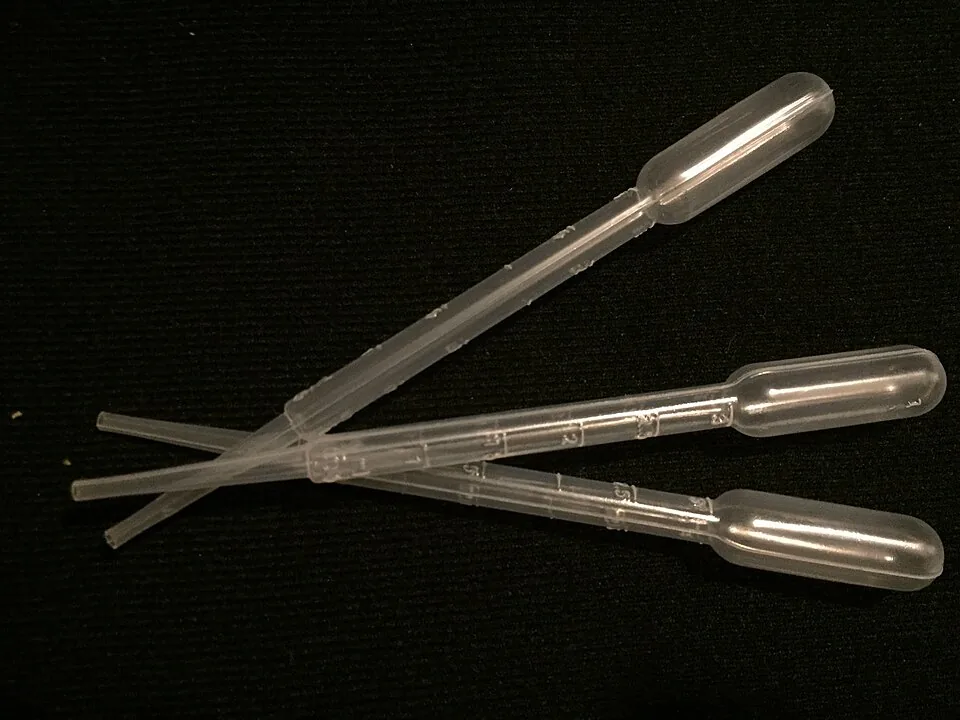
- Use a syringe for small volumes; caps and kitchen spoons vary.
- Measure with something marked in the label's own unit.
- A course of treatment usually has a schedule. Your record keeps the second and third doses right.
- If the tank responds badly, that record is what you or a vet will need.
Sources
Each source is listed with the part of this guide it supports.
- Merck Veterinary Manual: Routine Health Care of FishTreatment practice, why environmental causes are checked first, and when professional diagnosis is required.
- Merck Veterinary Manual: Management of Aquarium FishWater-quality management, biofilter protection, and aquarium-management context for treatments.
- University of Florida IFAS: Fish Health Management in Recirculating Systems, Part 1System water-quality management and the effect of treatments on nitrifying biofiltration.